

In the fast-paced world of online browsing and content consumption, your website’s performance is instrumental in sustaining your presence in the competitive Phoenix marketplace. As you focus on website optimization, one element is clear – the importance of page speed in Phoenix SEO is undeniable. In a city thriving with digital innovation and businesses competing for visibility, a second’s delay can mean the difference between a new lead and a lost opportunity.
Search engines like Google have been upfront about the implications of loading times on search rankings. A swift-loading website is not just a convenience; it’s a necessity that substantially affects user experience and organic visitor traffic. Your audience’s expectations consistently edge towards instantaneous results, and meeting these expectations is crucial for survival and success in the realm of digital marketing.
To prove indispensable to your visitors, you must deliver a seamless and quick browsing experience. Enhancing your site’s speed is a strategic move in website optimization that you can’t afford to overlook. It’s about providing users with the efficiency they demand and reaping the benefits of improved performance in search engine results.
Key Takeaways
- Understanding the pivotal role of page speed is crucial for enhancing SEO in Phoenix.
- Website optimization is not just about aesthetics but about improving website performance technically.
- A faster website can significantly impact user experience and visitor retention.
- Google’s preference for speedy websites directly influences your organic search rankings.
- Committing to improved page speeds can elevate your business’s online visibility and competitiveness.
- Page speed is a critical component in providing an exceptional user experience in the Phoenix digital landscape.
Understanding Phoenix SEO and Page Speed Optimization
In the bustling commercial environment of Phoenix, mastering the intricacies of Search Engine Optimization (SEO) is akin to uncovering a secret weapon for digital success. As a critical facet of SEO, website speed—or how swiftly your website loads — can make or break your online presence. Here, we delve into Phoenix SEO and unveil the pivotal role page speed plays in not only enhancing your website’s performance but also its ranking on search engines.

Defining SEO and Its Significance in Phoenix
Seamlessly navigating the digital landscape of Phoenix SEO entails a sharp focus on honing the elemental forces that drive traffic your way. This multifaceted practice converges various strategies such as keyword optimization, mobile page speed, and content relevancy to bolster your digital footprint. In the heart of Phoenix, thriving businesses leverage SEO’s power to climb the ranks of search engines and capture the attention of their local demographic.
Why Page Speed is a Ranking Factor for Google
A snappy, responsive website is Google’s gold standard, influencing where you land in the coveted search results. In the arsenal of SEO ranking factors, website speed surfaces as both a cornerstone and a game-changer. Google, with its user-first philosophy, harbors a preference for sites that load without delay, offering your Phoenix-based business an opportunity to shine in search rankings through meticulous speed optimization.
The Connection Between User Experience and Website Speed
The quest for lightning-fast loading times isn’t solely about satisfying algorithmic gods—it’s fundamentally about the people behind the screens. Your website’s speed transcends mere accessibility; it orchestrates the entire user experience. A sprightly mobile page speed captures and holds your audience, reducing bounce rates and fostering engagement — critical factors that feed directly into the search engine’s judgement of your site’s quality.
Assessing Current Page Speed Performance
As you probe into the factors that directly impact your online success in Phoenix, assessing your website’s current loading time emerges as a keystone in website optimization. This step is not a mere formality but a decisive process that sheds light on the bottlenecks which might impede your site’s performance and, consequently, the user experience you offer. It’s worth your time to ask, how does your website currently fare in speed?
Imagine this: A prospective client clicks on your website link, eager to learn more about your services. And then, the wait sets in. With each passing second, their patience wanes, and so does your chance of converting them into a customer. That’s where the significance of website loading time becomes unignorable. Your page speed is a silent spokesperson for your brand’s proficiency and reliability. As such, understanding and monitoring the metrics that gauge this critical aspect of user experience is fundamental to staying competitive.
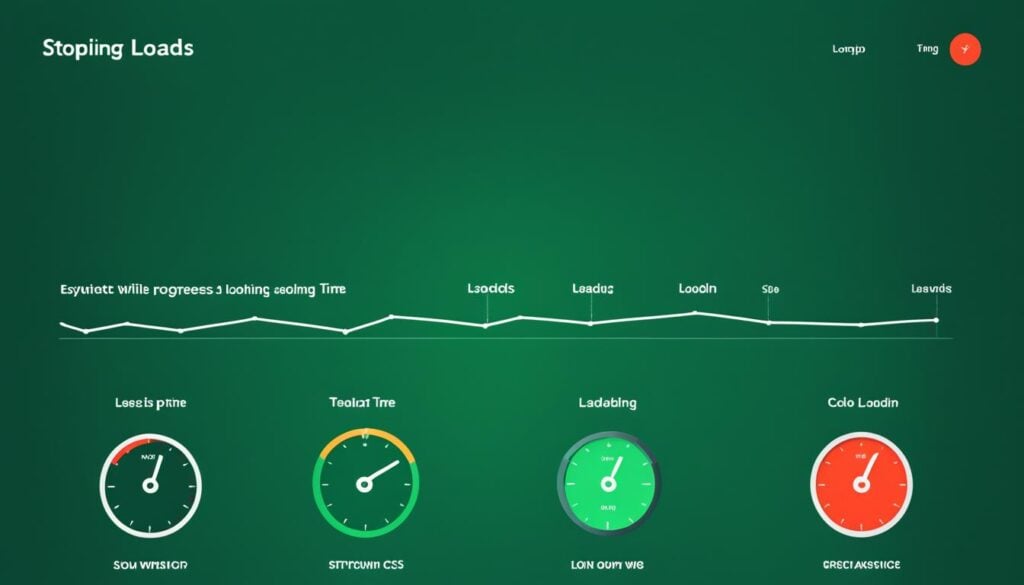
An objective evaluation begins with using the right tools for tracking page speed. These tools not only quantify how fast your content loads but also provide a clear vista into aspects of your website that are performing well or lagging behind. With these insights, you can architect a comprehensive strategy aimed at improving website performance and erect a virtual space that stands up to the ideals of speed and efficiency, thereby fostering a robust user experience.
Moreover, recall how search engine algorithms are in a constant flux, pointing their compass towards providing users with speedy and relevant results. A fast-loading website not only meets this requirement but also positions itself favorably in the algorithm’s line of sight. In the digital age where time is currency, your website’s loading speed is an investment in operational excellence and user satisfaction.
In today’s Phoenix SEO landscape, a moment’s delay can divert your audience elsewhere. Make every millisecond count by ensuring your page speed is up to par, meeting and exceeding today’s user expectations for swift, on-the-nail information retrieval.
- Utilize industry-standard page speed measurement tools to gauge current performance.
- Identify elements that contribute to load time delays and prioritize them for optimization.
- Integrate page speed analysis into your regular website maintenance to continually improve user experience.
- Examine how your website stacks up against competitors in terms of speed and refine your approach to gain an edge.
Remember, assessing your website’s page speed is not just a task; it’s a linchpin activity in shaping an environment where the user experience is paramount. Make it the cornerstone of your website optimization efforts, and watch as your Phoenix SEO strategy transforms from simply surviving the digital storm to thriving within it.
The Importance of Page Speed in Phoenix SEO
In today’s digital era, where the boundaries of business competition are virtually limitless, the importance of page speed in Phoenix SEO is more critical than ever before. As you navigate through the terrains of SEO ranking factors, it becomes evident that the speed at which your web pages load can pivotally influence your success online. Page speed is not merely a technical jargon; it represents a fundamental user expectation and a core Google ranking criterion.
Your audience in Phoenix is seeking quick, responsive interactions with your website, mirroring their fast-paced lifestyle and needs. In an age where a delay of a few milliseconds can lead to a noticeable drop in customer engagement and sales, ensuring that your website performs at peak efficiency should be a top priority in your website optimization strategy.

Imagine a potential customer trying to access your site after searching for a service you offer. The instant expectation is a rapid load time ensuring they can find what they need without hindrance. If your website doesn’t load quickly enough, you risk not only losing that customer but also sliding down the ranks of Google’s search results due to poor user experience.
As the digital storefront to your business, the speed of your website is your silent pitch to any prospective client: First impressions are often the last, and every second counts.
Google has explicitly included page speed as one of the critical SEO ranking factors, which means that your website’s loading time now directly correlates with your SEO performance. A fast-loading website stands a better chance of achieving high rankings and impressing Phoenix users whose expectations for speed and efficiency continue to climb.
But how can you accurately measure your site’s speed to ensure it aligns with the best practices for Phoenix SEO? It’s simple: Utilize the myriad of page speed insights and analytics tools available to benchmark your current performance and strategize the necessary improvements.
- Conduct thorough audits of your website’s load time across different devices and platforms.
- Regularly monitor the site’s performance to ensure continued adherence to speed guidelines.
- Create an optimization plan that targets both desktop and mobile platforms to cater to the broad spectrum of users in Phoenix.
- Implement changes systematically, understanding that website optimization is an ongoing process, not a one-time fix.
By embracing the concept of page speed as a cornerstone in delivering an exceptional user experience, your Phoenix-based business can thrive in a market that is as hot and dynamic as its climate. It’s not enough to simply have a website; in Phoenix SEO, speed is synonymous with visibility, customer satisfaction, and ultimately, business success.
Key Strategies to Improve Website Loading Time
With the surge in online activity, improving website performance has become paramount for businesses in Phoenix. Your website speed is a beacon for both user satisfaction and search engine rankings. Being aware of this, let’s explore efficacious strategies to enhance your website’s loading time, a critical metric in today’s competitive digital landscape.

Minimize HTTP Requests and Server Response Time
Begin by reducing the number of HTTP requests, since each graphic, CSS file, or JavaScript adds to the time it takes for your pages to render. You can combine files, use CSS sprites, and streamline the elements on your page to trim the excess. Simultaneously, optimizing server response time is essential. Ensure that your hosting solution is robust and that your server is finely tuned to respond swiftly to inquiries, thus enhancing the site’s overall responsiveness.
Optimize Images for Faster Loading
Visual content is key to attracting and retaining users, yet images can be heavy on load time. By compressing image files and using the appropriate format (JPEG for photos and PNG for graphics), you ensure quality isn’t sacrificed for speed. Plus, be precise in scaling images rather than relying on HTML to resize them, as this method can inadvertently slow down your page.
Utilize Browser Caching for Repeat Visits
For users revisiting your site, browser caching is a boon. It saves downloaded resources like images or scripts locally, so on their return, the browser loads the page using these cached items instead of fetching them again, thus significantly cutting down load time. Configuring your server to set an expiry date for your resources helps in utilizing the full potential of caching, contributing positively to a faster user experience.
By employing these strategic actions aimed at improving website loading time, you’re not just meeting the essential demands of SEO algorithms—more critically, you are giving your users in Phoenix and beyond the speed they expect. Fast and efficient web experiences lead to greater user satisfaction and elevate your website’s performance in the eyes of your visitors and search engines alike.
Technical SEO: The Role of Page Speed in Website Optimization
When it comes to Technical SEO, the speed of your Phoenix website plays a critical role. It’s a component that can dictate your site’s ability to rank well and deliver the seamless, gratifying user experiences your audience expects. Let’s explore how crucial elements like mobile optimization, hosting choices, and Content Delivery Networks drastically influence website performance.
Mobile Optimization and the Impact on Page Speed
With the surge in mobile usage, your site’s mobile page speed becomes an indispensable focus in website optimization. Users in Phoenix are often on-the-go, expecting your site to load instantly on their devices. Seamless mobile experiences are vital, and Google’s mobile-first indexing underscores the need for your website to perform swifter than ever on mobile platforms. A mobile-optimized site is no longer an option; it’s a necessity.
How Hosting Choices Affect Page Load Times
Choosing the right hosting service is no small decision in your SEO strategy. The quality of hosting can significantly impact your website’s loading times. Slow servers and inadequate hosting plans can cause delays that frustrate users and dissuade potential leads. On the flip side, robust hosting solutions designed for speed can propel your website performance, ensuring your Phoenix business remains fast and responsive to user requests.
The Benefits of Using a Content Delivery Network (CDN)
Utilizing a Content Delivery Network can greatly amplify your website’s speed and reliability. CDNs mitigate the distance between your website’s server and your visitors by storing cached versions of your content across a network of servers globally. This means that visitors in Phoenix, or anywhere else, receive data from a nearby server, slashing load times and creating a zippier user experience. The adoption of a CDN is a strategic move that could set you apart in a competitive Phoenix market.

Every adjustment you make in pursuit of faster website loading times contributes to a stronger foundation for your online presence. Technical SEO doesn’t just support your content—it elevates it, making sure your message reaches your audience without delay. Remember, in the fast-paced world of Phoenix digital markets, your page speed is a silent yet formidable participant in the race for top SEO results.
Content Optimization and Page Speed
In the realm of Phoenix SEO, the harmony between content richness and page speed is non-negotiable. The art of website optimization embarks upon the curation and structuring of on-site content to seamlessly serve the needs of the user, ensuring that quality does not come at the expense of loading times. An engaging and well-organized presentation of content is not just desirable—it’s imperative for crafting a user experience that both captivates and retains your audience.
Your efforts in improving website performance hinge on the accessibility of your content. Users demand information that is not only relevant but also readily available, affirming the role of page speed as a pillar of user satisfaction. The balance you achieve between comprehensive, impactful content and the nimble delivery of information can propel your website into the spotlight for Phoenix’s discerning online audience.
Remember: It’s not just about what you present; it’s about how swiftly and efficiently you deliver it. A second’s delay could be the deciding factor between a conversion and a departure.
- Develop content that is concise yet informative, ensuring key messages are conveyed without unnecessary verbosity.
- Optimize media such as images and videos, which, while enhancing the narrative, could weigh heavily on loading times if not properly compressed or formatted.
- Implement lazy loading for non-critical resources, allowing users to quickly access the main content without waiting for the entire page to load.
- Review content structure to ensure it adheres to SEO best practices, using header tags effectively and organizing information in a logical, intuitive manner.
- Embrace the minimalist design where possible, as simplicity often leads to a cleaner, faster loading experience while still maintaining aesthetic appeal.
By prioritizing both the craft of content and the technical aspects of website performance, you can achieve a swift, responsive site that not only meets the immediate needs of Phoenix web searchers but also stands out in a crowded online marketplace. Striking the right balance in your content optimization strategy is a step forward in rendering an impeccable user experience—one that resonates with both search engine algorithms and human visitors alike.
The Role of Local SEO and Page Speed for Phoenix Businesses
As you develop your online strategy for your Phoenix business, the influence of local SEO and the necessity of optimizing page speed cannot be ignored. Tailoring your digital approach to accommodate the needs and expectations of the local market is a strategic move that could yield significant dividends in your quest for regional dominance. The goal is to serve the Phoenix community efficiently, ensuring swift and relevant experiences that align with the distinctive tempo and culture of the region.
Tailoring Page Speed Strategies for a Phoenix Audience
Knowing that your Phoenix audience values their time, responding with rapid page speeds is non-negotiable. Your focus should be on customizing your website’s technical performance to resonate with locals who are searching for quick solutions and information. Enhanced loading times affirm your brand’s commitment to outstanding user experience, a factor that significantly influences customer loyalty and business growth within the Phoenix community.
Local Search Behavior and Expectations for Website Performance
The search behavior of Phoenix locals includes a preference for immediate results when they’re looking for products or services. They expect not just relevance and quality in what they find, but also speed in how quickly they can access it. Your understanding of these behavioral patterns empowers you to optimize every facet of your website, thus meeting and surpassing local SEO benchmarks set by both users and search engines alike.
Aligning Phoenix SEO with Local User Demands
In essence, aligning your Phoenix SEO strategies with the demands of your local user base means committing to an uninterrupted and swift digital experience. Efficiently loading websites serve as a testament to your dedication to the Phoenix market, reflecting an acute awareness of what your audience needs and expects. Consequently, these optimized experiences strengthen the trust and connection between your brand and your Phoenix clientele, bolstering your SEO efforts on a community level.
- Focus on enhancing the user experience through fast-loading web pages, vividly demonstrating the prowess of your Phoenix SEO endeavors.
- Personalize your page speed strategies with respect to the unique behavioral patterns of the Phoenix audience for maximum local SEO impact.
- Assess and refine your website’s performance continuously to stay aligned with the evolving expectations of your community.
Monitoring and Measuring the Impact of Page Speed Enhancements
As your Phoenix business thrives in the digital age, understanding and refining the mechanisms behind your website’s load time is as strategic as optimizing content for SEO. Monitoring and measuring the impact of page speed enhancements is not a one-off task but an integral, ongoing component of improving website performance. Not only does this endeavor require keen attention and precise tools, but it also demands a commitment to adapt and evolve your optimization techniques in line with the dynamic landscape of search engine algorithms and user expectations.
Tools for Tracking Page Speed Progress
Gauging the success of your efforts in improving website loading time necessitates the use of adept monitoring tools. These instruments analyze various aspects of page performance, such as the load times of different page elements, and provide a granular view of the improvements or declines over time. With tools like Google PageSpeed Insights, GTmetrix, or Pingdom, you are equipped with not only numerical data but also insights into potential optimizations, putting the power to enhance website performance firmly within your grasp.
Interpreting Data and Making Informed Decisions
The data gleaned from these tools forms the compass that guides your technical strategies. Interpreting this data transcends mere observations; it involves making informed decisions that can profoundly influence your website’s organic search presence. It is crucial to understand what the numbers entail, discern patterns from the analytics, and deduce which enhancements have yielded positive results within the framework of Phoenix SEO.
Continuous Improvement of Phoenix SEO through Page Speed Optimization
In an environment as competitive as Phoenix, SEO supremacy is often dictated by the minute intricacies of user experience, with website speed being a frontrunning factor. Recognizing that improvement is an unending journey, you must foster perpetual optimization practices. This means regularly revisiting strategies, introducing new enhancements, and remaining vigilant about the evolving expectations of both search engines and audience. A malleable and proactive approach to page speed optimization guarantees that your website’s user experience is not only satisfactory but exemplary in its performance.
Conclusion
As we have explored throughout this article, the importance of page speed in Phoenix SEO is a defining factor in the race for online supremacy. Your website loading time can either catapult you to the top of search rankings or anchor you in the depths of search engine obscurity. It’s clear that optimizing your web pages for speed is not a mere preference but a requisite that aligns with the core benchmarks set forth by search engines today.
Your commitment to refining user experience through faster page speeds is not only valued but expected by Phoenix’s digital audience. In this dynamic city where digital engagement can make or break business success, a rapid-loading website is synonymous with customer satisfaction and retention. As you consider every facet of your SEO strategy, remember that the dividends paid by investing in website performance will continue to accrue as user expectations evolve and technology advances.
Remember, the path to enhanced digital visibility and user engagement is paved with the diligence of continuous optimization. Your relentless pursuit of performance excellence assures that your business remains a competitive force in the Phoenix market. Staying abreast of page speed trends and user behavior, and embracing the technical refinements required, can lead to elevated search rankings and a thriving online presence. Dedicate your efforts to mastering page speed, and the benefits—for both your users and your business—will undoubtedly follow.
FAQ
What is the importance of page speed in Phoenix SEO?
Page speed is a critical SEO ranking factor that can significantly impact your website’s visibility in search engine results. In the competitive Phoenix market, a fast-loading website provides a better user experience, potentially leads to higher rankings, and enhances customer engagement and retention.
How does page speed affect user experience?
A fast page speed leads to a smoother and more enjoyable user experience. It reduces bounce rates as visitors are more likely to stay on your site when pages load quickly. This improved engagement signals to search engines that your site is valuable, which can positively impact your SEO efforts.
Why is website speed a ranking factor for Google?
Google aims to provide users with the best possible search experience, which includes delivering results that load quickly and efficiently. Website speed directly affects user satisfaction, which is why Google incorporates it as a ranking factor to encourage site owners to optimize their sites for faster loading times.
What is the connection between mobile page speed and SEO in Phoenix?
With the rise of mobile browsing, mobile page speed has become pivotal for SEO as users expect quick access to information on-the-go. Fast mobile pages improve user experience and can lead to better SEO rankings, which is vital for reaching the mobile-centric audience in Phoenix.
How can you assess your website’s current loading time?
By utilizing tools such as Google PageSpeed Insights, GTmetrix, or Pingdom, you can evaluate your website’s loading time and identify specific areas that need improvement for better page speed performance.
What strategies can help improve website loading time?
You can reduce loading time by minimizing HTTP requests, optimizing images, utilizing browser caching, and improving server response times. Each of these strategies contributes to a more efficient and fast-loading website.
How does mobile optimization impact page speed?
Mobile optimization involves designing your website to load quickly and efficiently on mobile devices. This impacts page speed by reducing necessary resources for mobile users, which can significantly improve your SEO rankings, given Google’s emphasis on mobile-first indexing.
What role does a Content Delivery Network (CDN) play in website optimization?
A CDN stores a cached version of your website content on multiple servers worldwide, which helps to reduce loading times for users who are geographically distant from your primary server. This can enhance user experience by speeding up access to your site.
How can page speed strategies be tailored for a Phoenix audience?
Tailoring page speed strategies for a Phoenix audience might include understanding local search trends, optimizing for mobile users who are on-the-go, and ensuring that your hosting can handle traffic spikes during local events or promotions.
What tools can track page speed progress?
Google’s PageSpeed Insights, GTmetrix, Pingdom Speed Test, and WebPageTest are some of the tools that can help track your website’s page speed progress and provide insights into areas where improvements can be made.
Why is it important to continuously improve Phoenix SEO through page speed optimization?
Continuous improvement of Phoenix SEO through page speed optimization is important because search engine algorithms and user expectations are ever-evolving. Staying vigilant and adaptive with page speed ensures your website remains competitive and offers an optimal experience for users.